In Saint-Étienne-de-Baïgorry, on the road to Saint-Jean-Pied-de-Port, the Cave d'Irouléguy is not a cooperative like the others. She's the only one on her AOC. It alone accounts for 60% of France's smallest appellation vineyard, and since 1952, it has carried a history that, without it, would probably never have found its letters of nobility.
A story from a crazy bet
At the end of the First World War, the vineyards of Irouléguy, which were built in the 12th century by the monks of the Roncevaux Abbey to defuse the pilgrims of Santiago de Compostela, were almost completely destroyed. The Great War took away many arms, the phylloxera did the rest. In 1952, nine passionate winemakers decided to join forces to revive these ancestral lands. The AOC will follow in 1970. A bet that could never have been successful — and which, 74 years later, made a whole territory live.
Today, the cooperative brings together 85 members (including 42 in AOC Irouléguy), 16 employees, and produces about 600,000 bottles per year on 146 hectares of vines, including 31 hectares in organic farming and conversion. Despite these locally important figures, it remains one of the smallest wine cooperatives in France. A human size assumed, which makes all its singularity.
An exceptional vineyard, between Pyrenees and Atlantic
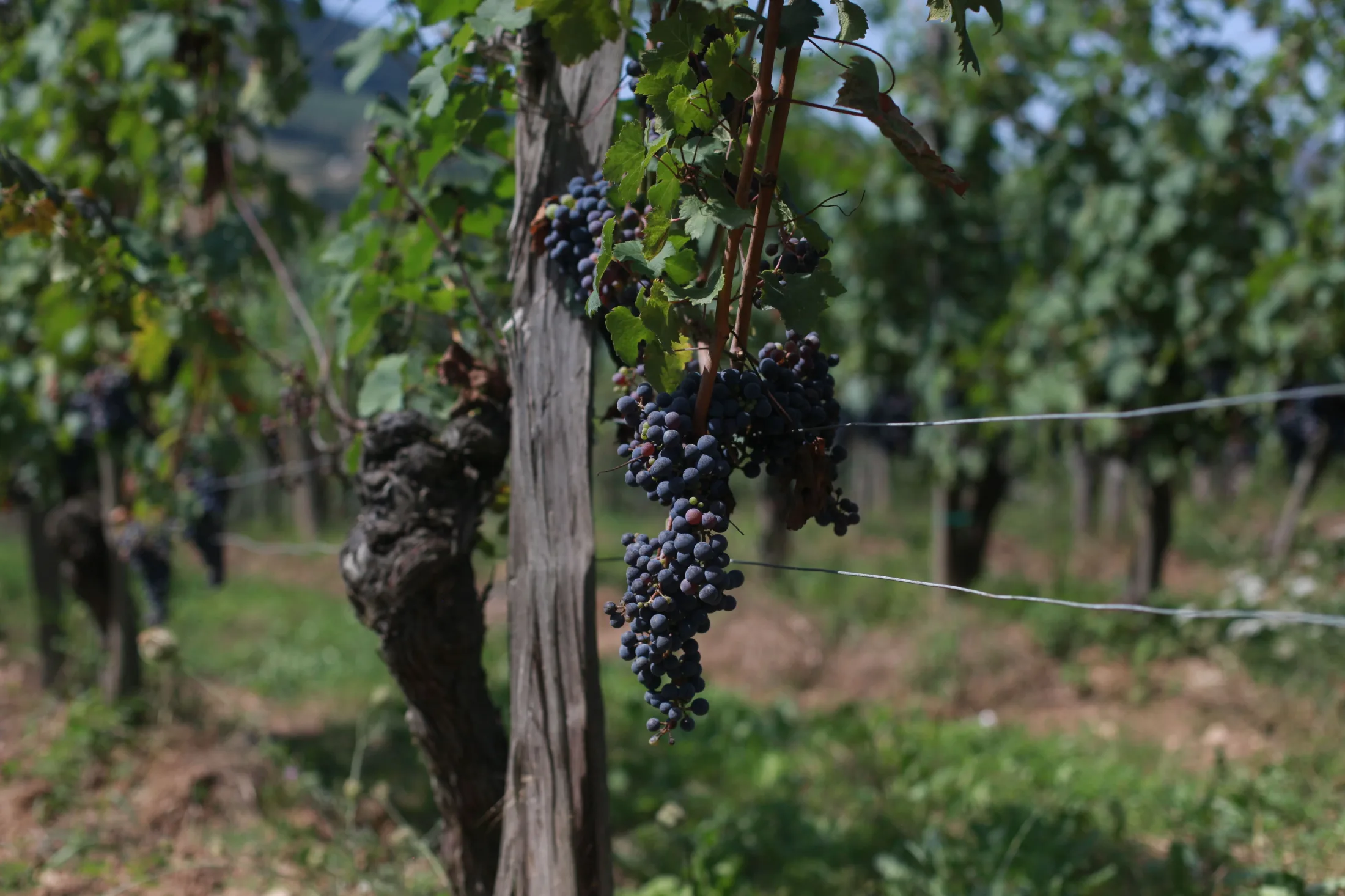
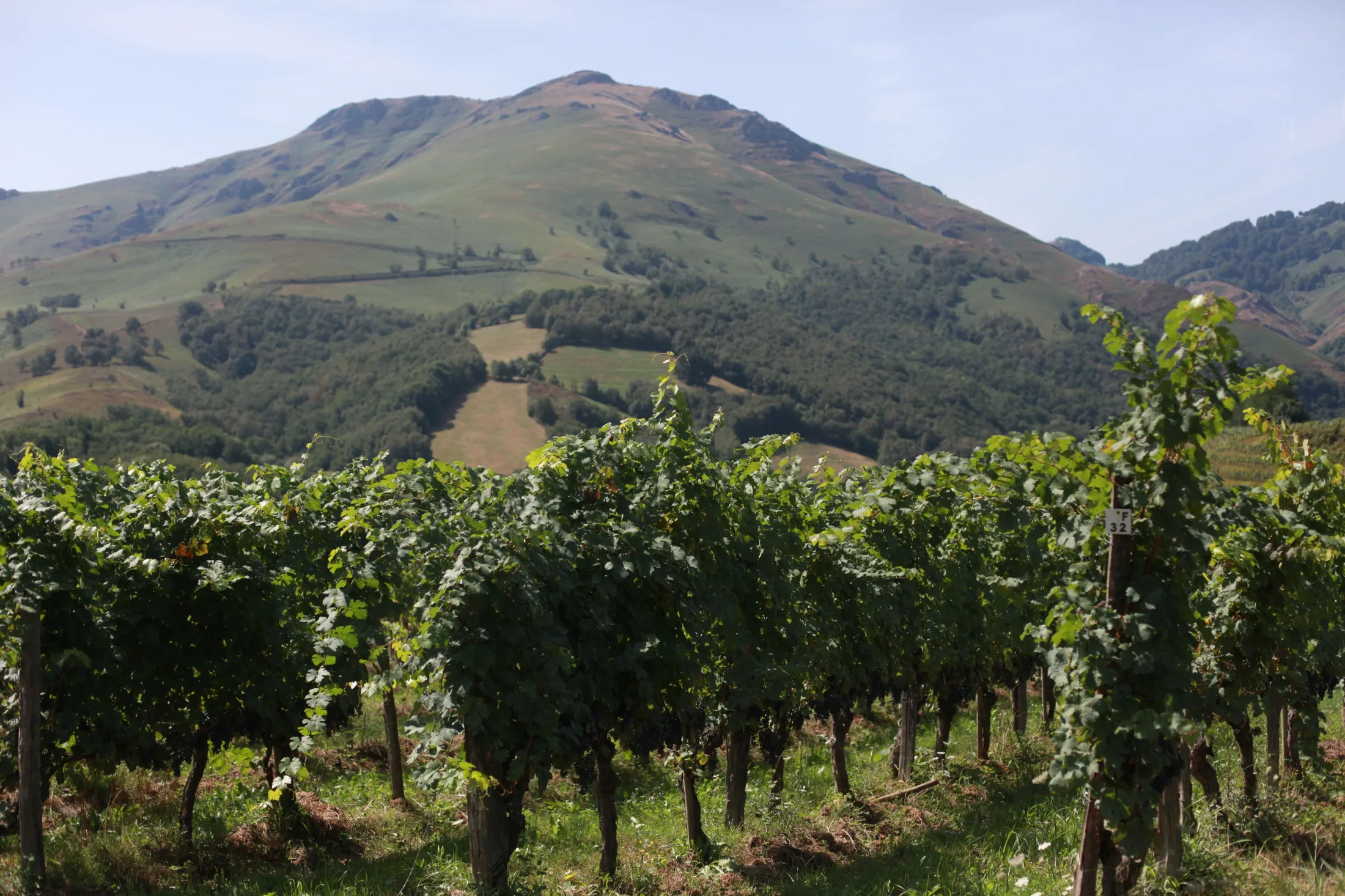
The AOC Irouléguy is 240 hectares of vines spread over 15 communes, from the smallest AOC vineyard in France. Parcels perched between 200 and 400 metres above sea level, often on terraces, with an average elevation of 60%. Here, we do not harvest by machine: it is the hand of man, each season, that picks the clusters.
The terroir has a rare double influence: that of the Pyrenees in the background, and that of the nearby Atlantic Ocean. The grape varieties are deeply local:
Red vines (90%) : Tannat, Cabernet Franc, Cabernet Sauvignon
White vines (10%) : Big Manseng, Small Manseng, Small Courbu
The result: powerful red wines, lively rosés, and fresh and complex whites — sometimes organic, sometimes without sulphites, still rooted in their mountains. The Cave's cuvées, like the famous Omenaldi (in Basque), are regularly rewarded by the Hachette Guide and Gault & Millau.
A visit that brings wine to life
In 2023, the Cave received the award "Remarkable Offer" of the Oenotourism Awards in the category Promotion of the Terroir. A distinction that salutes the remarkable work done around welcoming the public.
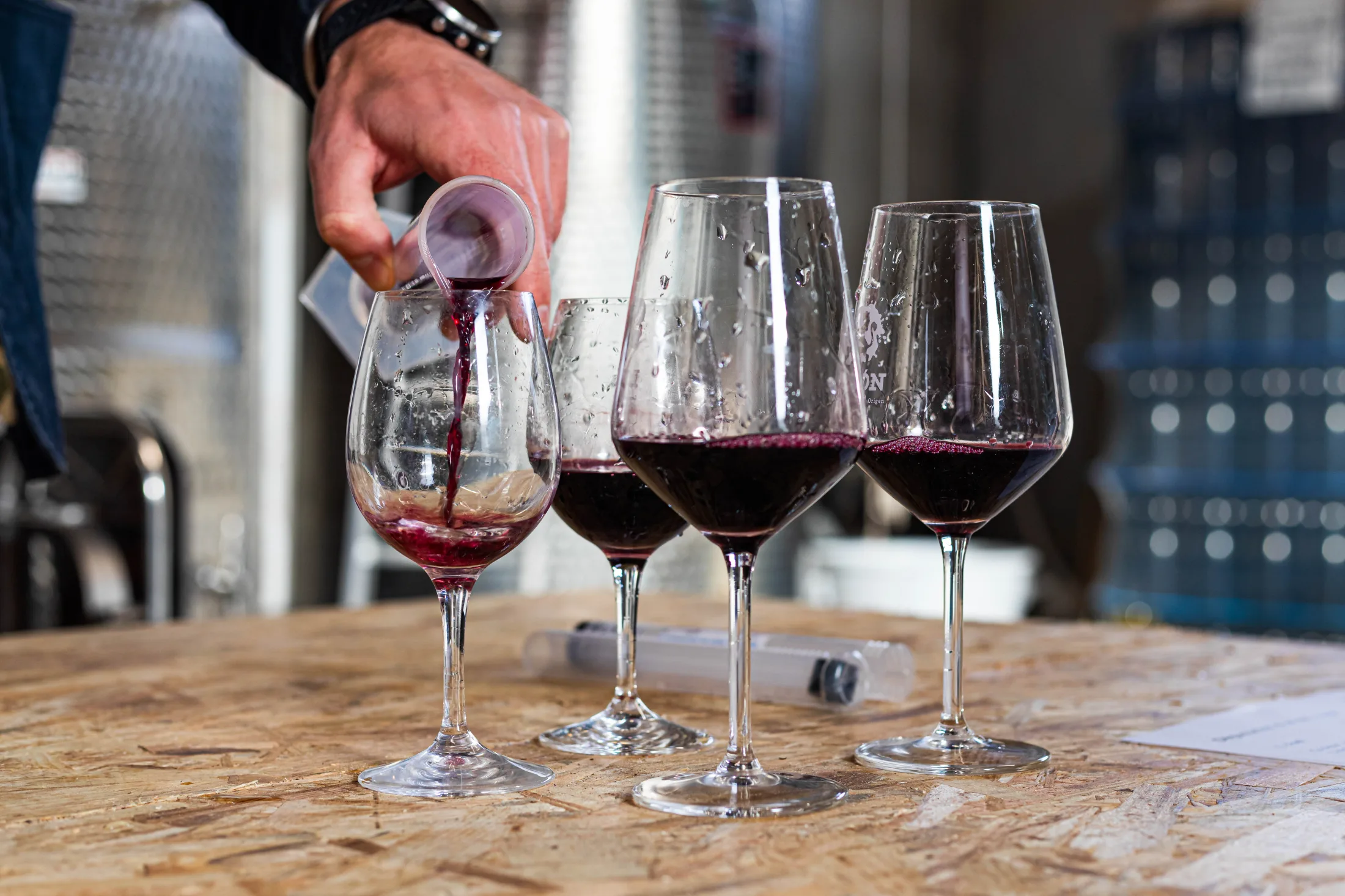
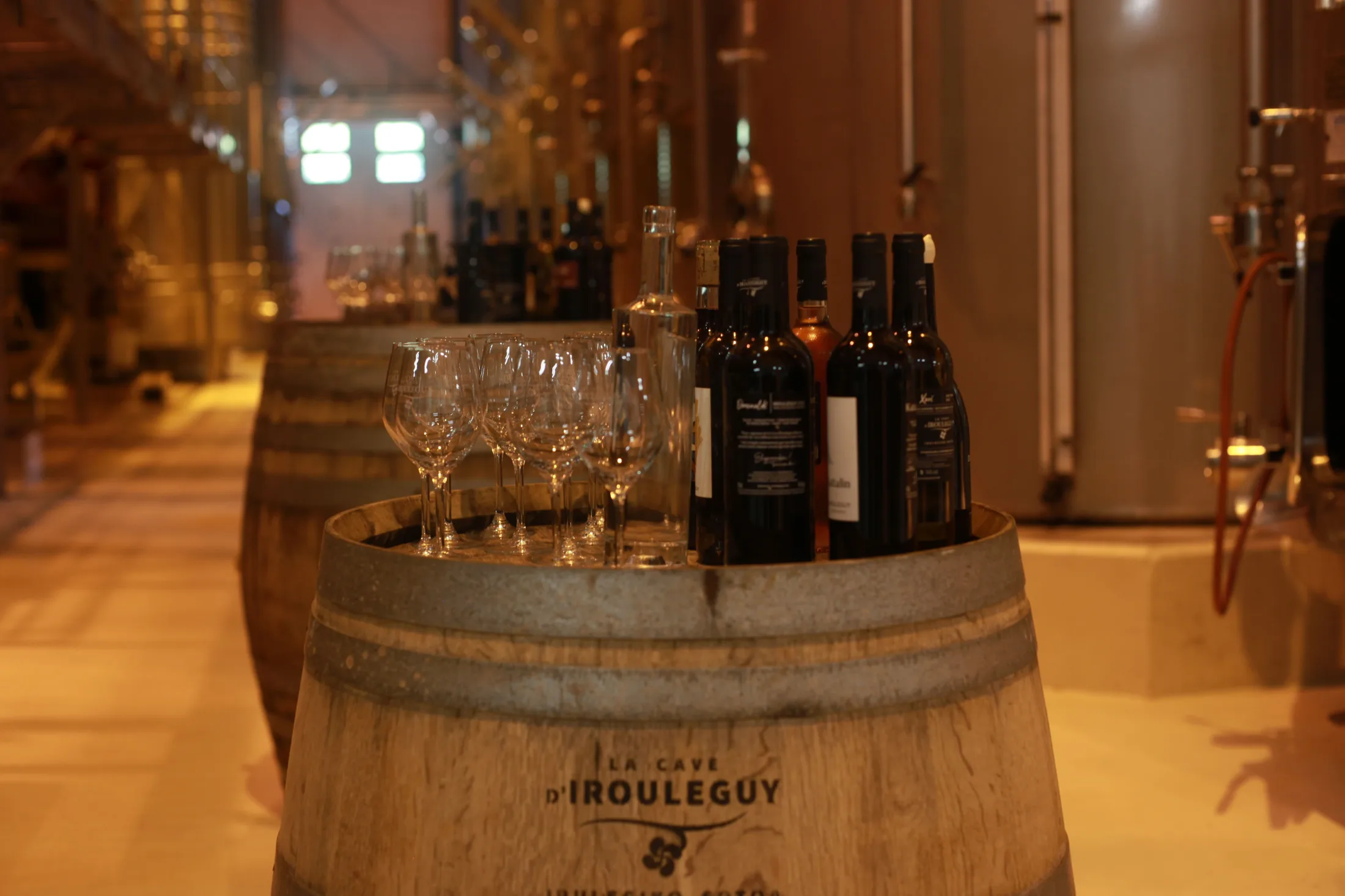
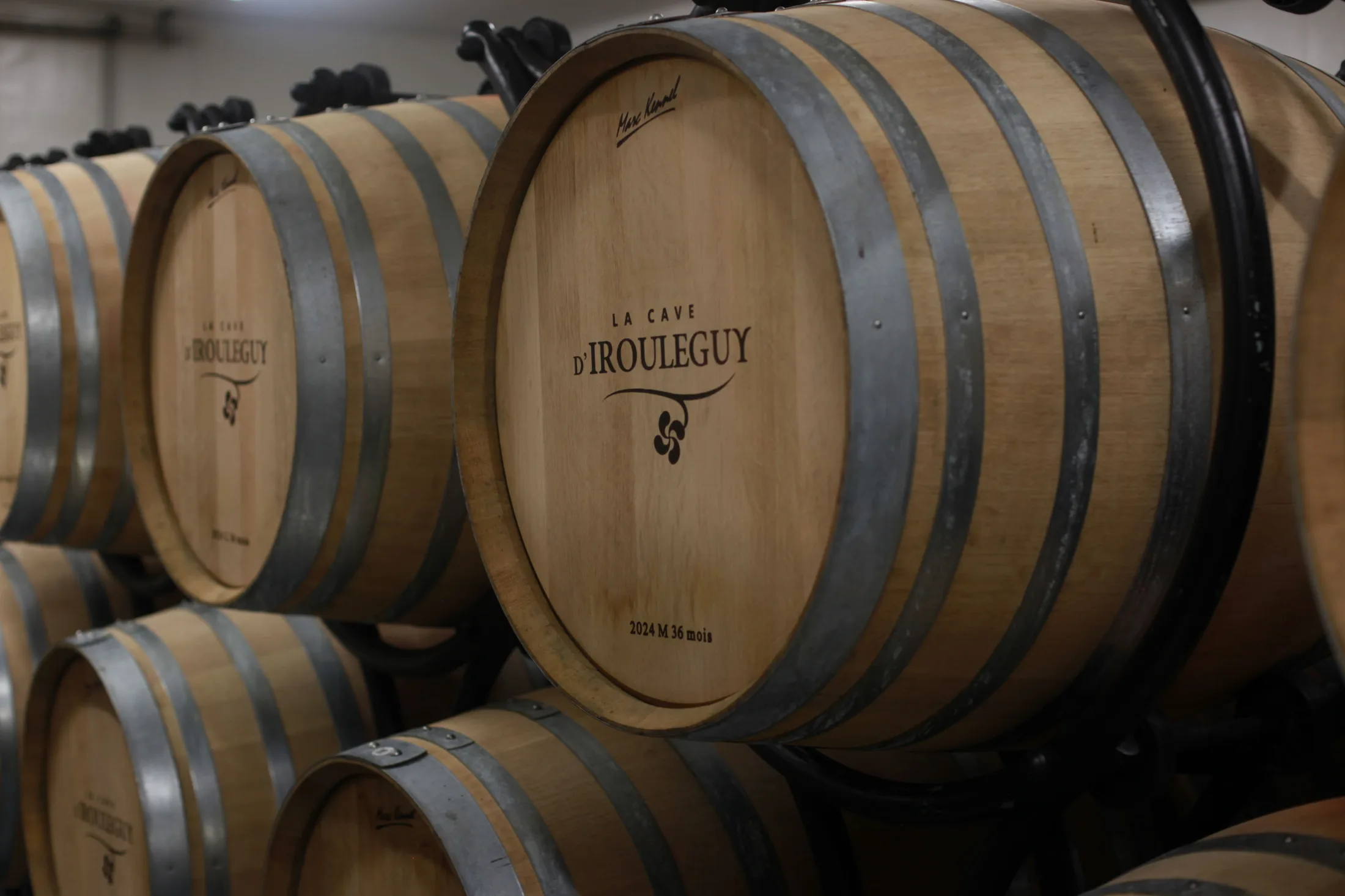
In its new immersive discovery space, set in the heart of the cellar, the visit is lived with the five senses: immersive videos on the plots, games around the scents to recognize the aromas of the wine, views of the cuvier and the barrels cellars, tasting offered to discover the specifics of the vineyard. A drawing corner and a suitable circuit have even been planned for children — a real family visit is possible.
And to go further, the Cave offers thematic guided tours by reservation, from April to September: course in vineyards, wine-chocolate agreement tasting, discovery of grape varieties... To live a real sensory experience.
A cooperative project
What makes the Cave of Irouléguy strong is its model too. In the face of ever-increasing numbers of independent winemakers (17 domains exist today in the appellation), the cooperative maintains a collective spirit in which the younger generations are associated with the elders — the very ones who "saved" the vineyard in the post-war years. It allows small farms to continue to exist, preserves rural employment, and makes a whole part of the inland Basque country live.
In the shade of the Pyrenees, in a setting where vineyards climb the hills, the Cave d'Irouléguy is much more than a producer: he is a terroir guardian. And no doubt one of the most moving addresses in the Basque Country, where wine does not drink — it tells itself.